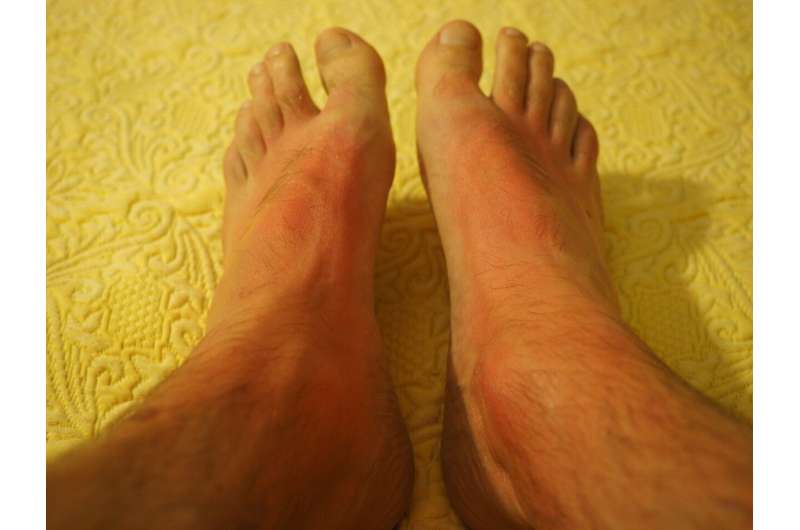
Coping With Life After a Bone Marrow Transplant: A Survivor’s Story

[ad_1]

Lewis Christie is an acute myeloid leukemia (AML) survivor. He is a peer mentor with the National Bone Marrow Transplant Link (nbmtLINK) and Imerman Angels, where he assists other people with cancer near his age who are either contemplating a bone marrow transplant or who have already had one. He is also a patient advisor to a company developing artificial intelligence (AI) applications to help people with cancer. He is retired from his work as an information technology professional and is now an avid reader of history books, loves to listen to music, and likes to cook.

My story begins as a 9/11 cancer survivor. I had been in a building at Ground Zero on September 11, 2001, and returned there every day afterward for over a year, breathing in the carcinogenic ash that would compromise my immune system. Then, 10 years later, at the age of 71, I was diagnosed with acute myeloid leukemia (AML).

I received my diagnosis after having a bone marrow biopsy, where a needle was inserted in my lower back to remove some fluid. The doctor evaluating the biopsy sample said that my white Blood cell count was way too high, and my red Blood cells were being squeezed out. He immediately sent me to the hospital to receive 2 Blood transfusions. There, I learned that my red Blood cell count was dangerously low.

Receiving my cancer diagnosis was devastating because I had always been in good health. Also, I had no idea what I should do next. The first oncologist I consulted advised me that my prognosis was very bad and that I only had 1 year left to live. My wife and I then scheduled appointments with other oncologists who told me to take a vacation while I could, since they also felt I had 1 year left to live. So far, there was no encouragement or path to take to survive.

Turning to bone marrow transplant for life-saving treatment

Eventually, my wife and I found an oncologist who provided some hope. I started Chemotherapy, which lasted for 14 months. When planning treatment, my oncologist said that I should think about receiving a bone marrow transplant after Chemotherapy because my cancer could come back much worse, and she typically only saw success with the Chemotherapy for about 14 months. She gave me hope that a transplant could save or prolong my life. So, my oncologist searched for a donor through the national bone marrow registry and found a donor who was a match.

In March 2014, I received the transplant. I spent 30 days in the hospital and had relatively few side effects. However, 6 months later, the transplant failed for unknown reasons. My red and white Blood counts dropped to 0. I was then put back on Chemotherapy while my doctor searched for another donor. But, unfortunately, another donor could not be found through the registry.

At that point, my oncologist advised that she had seen transplant success using stem cells from the children of the person with cancer. So, in September 2014, my younger daughter donated her stem cells. She spent a day in the hospital where they took her Blood through a machine. Her stem cells were taken out, and the rest of her Blood was returned to her body. After, I was given a Blood transfusion with her stem cells.

Recovering from my bone marrow transplant

After this transplant, the side effects were completely different from my first transplant. I could hardly walk and experienced rashes, coughing, blurred eyesight, uncontrollable hiccups, loss of appetite, muscle cramping, indigestion, numbness in my feet, and night sweats. But after 30 days, when I could walk again, I was released from the hospital.

Being home was not easy. Our home had to be thoroughly cleaned so that I would not develop an infection, and I had to be very careful of what I ate. There was a list of things I could not eat, including any deli meats, fruits like strawberries and raspberries that could not be properly washed, and any bakery products. My wife cooked all of our meals; we had absolutely no takeout food. I was also generally confined to my home for 1 year. If I went out, I had to wear gloves and a mask. I only went out to doctor visits.

After coming home, I still had low Blood counts, so I went to the cancer center weekly to receive Blood platelets to help stop me from bleeding and an injection to boost my white Blood cell count. It took months before I was feeling much better. I slowly returned to where I could start eating normally, going outside to walk, and seeing friends and relatives. I had to avoid any physical contact with them so that I wouldn’t get an infection.

Life after bone marrow transplant

It has now been nearly 11 years since I first received my leukemia diagnosis. I feel very good and back to an almost normal life. My brother got me started playing golf, and my wife and I walk every day. I used to be a runner, but that is something I am no longer able to do.

However, my cancer story does not end there. After my second transplant, I developed chronic graft-versus-host disease (GVHD), a sometimes serious disease that only affects people with cancer who have received a bone marrow transplant using donor cells. With GVHD, the donor cells attack your body. Thankfully, my case of chronic GVHD has not been very bad. The symptoms I have experienced include easily bruising, constant skin peeling, trouble swallowing, hardening and cracking of my toenails and fingernails, dry eyes, reduced lung capacity that makes it hard to breathe at times, tooth decay, and annoying white patches in my mouth. While this may sound terrible, it’s not as bad as it seems. After being through 2 transplants, I can certainly handle all of this because I am still here!

I have found that being positive is probably one key to getting better. What really helped me as I was navigating cancer treatment and survivorship was attending support groups, talking to other people with cancer who had either thought about having a bone marrow transplant or who had received one, and working as a patient advisor to a company that was developing a computer program to relieve stress in people with cancer. Now, I have a lot of good things to look forward to for the rest of my life.

The author has no relevant relationships to disclose.

[ad_2]

cancer.net/blog/2023-08/coping-with-life-after-bone-marrow-transplant-survivor%E2%80%99s-story”>Source link

Cancer and Older Adult Program | Staff Feature

[ad_1]

alt text

cancerCare’s monthly staff feature recognizes the vital contributions of the many client-facing and behind-the-scenes teams that make our free programs and services possible.

This month, we’re excited to highlight cancerCare‘s Older Adult Program and Danielle S., cancerCare‘s Older Adult Program Coordinator. cancerCare‘s Older Adult Program provides information, resources and support to help older adults better cope with cancer. Our older adult resources include the Pen Pal Program and our upcoming Older Adult Book and Movie Clubs.

Name: Danielle S.
Title: Older Adult Program Coordinator
Team: Social Work
Team: Almost 5 years

What do you do at cancerCare?
I am a bilingual oncology social worker providing practical and emotional support to caregivers, patients and the bereaved.

What is your favorite thing about your job?
My favorite aspect of my job is establishing connections with my clients and fellow social workers. Building relationships with clients, being there for them during their challenging moments and offering support is a meaningful experience. Additionally, the sense of community and shared purpose among my colleagues creates a supportive and nurturing work environment. Being able to contribute to our client’s well-being and witnessing their resilience fills me with a deep sense of fulfillment and purpose.

What sets cancerCare apart from other organizations?
What sets cancerCare apart is its unwavering commitment to addressing the whole spectrum of challenges faced by individuals affected by cancer.

For example, our Sephora Brave Beauty program offers beauty and wellness resources, allowing individuals to feel confident and empowering them throughout their cancer journey. Additionally, our wigs and prosthesis clinics play a crucial role in enhancing their quality of life by providing access to items that may be financially burdensome. In addition, through initiatives like our Back-to-School and Winter Warmth programs, we aim to alleviate practical challenges that our clients frequently encounter.

cancerCare‘s commitment to compassionate support through many different programs shines through these initiatives. We strive to make a positive difference, ensuring our clients and their families feel cared for and supported throughout their cancer journey.

What is an important memory you have at cancerCare?
During the Winter Wonderland client party in 2019, I had the pleasure of connecting with a client on a deeper level, where we spoke about their diagnosis, treatment and the impact of cancerCare during this difficult time.

Over time, this client expressed their desire to seek counseling and specifically requested to work with me. The fact that our bond formed during the holiday party played a significant role in their decision was humbling and gratifying. It speaks to the importance of human connection and its positive effect on a cancer journey.

Moments like these reinforce my passion for my work and the incredible privilege of being a part of cancerCare.

What is something surprising about working at cancerCare?
One surprising aspect of working at a nonprofit is the incredible dedication of the staff in all departments. The passion and commitment displayed by staff members is remarkable. They invest their hearts into their work, demonstrating a deep sense of purpose and belief in the organization’s mission. This level of dedication creates a collaborative and supportive atmosphere where everyone comes together to make a meaningful impact in the lives of those we serve.


[ad_2]

Source link

Biomarker To Help Improve Lung Cancer Treatment Identified

[ad_1]

oncology.pencis.com/” target=”_blank”> 

oncology.pencis.com/” target=”_blank”>cancer-treatment-identified-377552-1280×720.webp” width=”320″ />

oncology.pencis.com/” target=”_blank”>

oncology.pencis.com/” target=”_blank”>

oncology.pencis.com/” target=”_blank”>

oncology.pencis.com/” target=”_blank”>Nonsmokers who develop lung cancer can be treated effectively with new drugs, but their tumors refuse to surrender without a fight. The drugs stop working in the long term because the tumors acquire secondary mutations that allow them to evade the medications’ therapeutic effect.

oncology.pencis.com/” target=”_blank”>

oncology.pencis.com/” target=”_blank”>In Research published today in the journal Cell Reports Medicine, investigators from the Weizmann Institute of Science report findings that may lead to relapse-free treatment for a sizeable subgroup of lung cancer patients. In a study in mice, the scientists have identified a biomarker that may help physicians select lung cancer patients who can be treated with a single antibody-based drug that is likely to bring about full remission, without cancer relapse.

oncology.pencis.com/” target=”_blank”>

oncology.pencis.com/” target=”_blank”>“We have found a potential biomarker that may change the way patients with lung cancer are treated worldwide,” says Prof. Yosef Yarden of Weizmann’s Immunology and Regenerative Biology Department, who led the study. “Similar to how the presence of BRCA mutations predicts how breast and ovarian cancer patients will respond to drugs, the new biomarker might make it possible to match some lung cancer patients with the specific medication most likely to help them.”

oncology.pencis.com/” target=”_blank”>Focusing on the mutations that matter

oncology.pencis.com/” target=”_blank”>Most lung cancers are due to tobacco smoking, but the second-largest fraction of cases affects nonsmokers, and it’s characterized by mutations in a gene called EGFR. The current Research began when Dr. Ilaria Marrocco, then a postdoctoral researcher in Yarden’s lab, reviewed the literature from clinical trials and realized that all patients with EGFR-positive lung cancer were being treated using the same multidrug protocol – regardless of which of the 30 known EGFR mutations were harbored in their individual tumors. These patients eventually developed drug resistance that led to cancer relapse. Marrocco wondered whether, by sorting lung tumors according to specific EGFR mutations, it might be possible to create a more personalized drug protocol and achieve better results.

oncology.pencis.com/” target=”_blank”>”Similar to how the presence of BRCA mutations predicts how breast cancer patients will respond to drugs, the new biomarker might make it possible to match lung cancer patients with a specific medication”

oncology.pencis.com/” target=”_blank”>“Dr. Marrocco’s observation inspired us to search for a biomarker that would predict which patients would respond well to therapy, according to the specific mutations they carry,” says Yarden. The scientists decided to focus on one of the two most common gene variants associated with EGFR in lung cancer: the L858R mutation, in which a single amino acid, out of several hundred, is replaced with another one, at point 858 in EGFR. This mutation occurs in about 40 percent of lung cancer patients whose tumors are characterized by EGFR mutations.

oncology.pencis.com/” target=”_blank”>

oncology.pencis.com/” target=”_blank”>The scientists chose to study L858R because, unlike other mutations that affect EGFR, it has a unique impact on EGFR function. “Unlike all other mutations, this mutation requires that receptors pair up in the cancer cell membrane, after which, signals instructing the cell to start replicating are sent to the nucleus,” Yarden explains. “Using a mouse model of lung cancer with the L858R mutation, we discovered that, if this pairing does not occur, it’s like a short-circuit – the signal to initiate cellular replication cannot be sent to the nucleus, and the tumor does not grow.”

oncology.pencis.com/” target=”_blank”>

oncology.pencis.com/” target=”_blank”>The researchers then blocked the pairing by treating the mice with an antibody drug called cetuximab, known by its trade name Erbitux, developed on the basis of Research by Yarden and the late Prof. Michael Sela. Erbitux has been approved by the FDA for the treatment of colon and head and neck cancers.

oncology.pencis.com/” target=”_blank”>

oncology.pencis.com/” target=”_blank”>“After the treatment with Erbitux, the lung tumors of mice shrank and did not reappear, not even after a long while,” Yarden says. “These results indicate that, for the large number of human lung cancer patients who have the L858R mutation, a single drug might offer a path toward full recovery, without the devastating phenomenon of cancer relapse.”

oncology.pencis.com/” target=”_blank”>

oncology.pencis.com/” target=”_blank”>The new study also explains why previous attempts to treat EGFR-mutated lung cancer with Erbitux had failed or, at best, produced conflicting results. Explains Yarden: “Since new EGFR inhibitors were approved as lung cancer drugs nearly 10 years ago, all patients now receive these anti-EGFR medications, irrespective of the identity and number of their EGFR mutations. They are highly effective for a while, but they permit the emergence of secondary mutations that accelerate cancer relapse. By the time Erbitux is given, it is usually ineffective because it can work only against certain EGFR mutations. Our study demonstrates the importance of preselecting lung cancer patients who can be effectively treated with Erbitux from the start, based on their mutation profile.”

oncology.pencis.com/” target=”_blank”>

oncology.pencis.com/” target=”_blank”>The scientists say that the next step would be to launch a clinical trial to establish the effectiveness of this treatment for human lung cancer patients, something that will be made easier by the fact that Erbitux has already been approved for treating other cancer types. In the meantime, Yarden and Marrocco are excited about the potential for their Research to eventually have an impact on clinical practice. Marrocco: “The L858R biomarker could help save lives by offering physicians a way to provide personalized drug treatment for lung cancer patients who carry the relevant mutation.”

oncology.pencis.com/” target=”_blank”>

oncology.pencis.com/” target=”_blank”>Reference: Marrocco I, Giri S, Simoni-Nieves A, et al. L858R emerges as a potential biomarker predicting response of lung cancer models to anti-EGFR antibodies: Comparison of osimertinib vs. cetuximab. CR Med. 2023;0(0). doi: 10.1016/j.xcrm.2023.101142

[ad_2]

cancer.html”>Source link

Advances in Cancer Surgery


NIBIB grantee Dr. Quyen Nguyen, a head and neck surgeon at UCSD, discusses the development of new molecules that make tumors and nerves glow, making it easier for them to be identified during surgery.

More information – https://oncologyandcancerresearch.blogspot.com/

International Conference on Oncology and Cancer Research:- https://oncology.pencis.com/
Award Nomination link: https://x-i.me/oan
Abstract Submission link: https://x-i.me/srimonco

For Inquiries: oncology@pencis.com

#shorts #shortsvideo #breastcancer #prostatecancer #lungcancer #coloncancer #ovariancancer #pancreaticcancer #leukemia #lymphoma #OncologyConference #CancerResearch #OncologyAwards #CancerTreatment #OncologyCommunity #CancerCare #OncologyEducation #CancerSurvivorship #OncologyInnovation #CancerAwareness #OncologyLeadership #CancerPrevention #OncologyExcellence #CancerBreakthroughs #OncologyCollaboration #CancerAdvancements #OncologyImpact #CancerPatientsFirst #OncologyFuture #OncologyInspiration #CancerFighters #OncologyHeroes #CancerAwarenessMonth #OncologyProgress #CancerSolutions #OncologyExperts #CancerSurvivors #shorts #shortsvideo #cancerConference #OncologyConference #pencis #oncologyconference #CardioOnc #radonc #medonc #caxtx #GeriOnc #psyonc #oncorn #hsronc #camets #cancer #fuckcancer #cancersucks #breastcancerawareness #breastcancer #cancermemes #cancerousmemes #cancersurvivor #cancerawareness #cancerdemama #breastcancerawarenessmonth #cancerresearch #fightcancer #childhoodcancerawareness #beatcancer #childhoodcancer #cancerseason #breastcancersurvivor #cancerfree #cancerfighter #cancerous #fcancer #cancerwarrior #teamcancer #ovariancancer #americancancersociety #standuptocancer #cancerresearchuk #cancersupport #skincancer #cancermeme #cancer #feminismiscancer #curecancer #anticancer #cancerzodiac #prostatecancer #cancers #fucancer #pediatriccancer #cancerawareness #beatcancer #cancersucks #cancerresearch #cancerfighter #cancerwarrior #cancertreatment #cancersurvivor #cancerprevention #cancerawarenessmonth #cancerpatientsupport #breastcancer #prostatecancer #lungcancer #coloncancer #ovariancancer #pancreaticcancer #leukemia #lymphoma #melanoma #braincancer #childhoodcancer #cancerfree #oncology #cancercare #cancerdiagnosis #cancerribbon #cancerjourney

CONNECT HERE:-

Facebook : https://www.facebook.com/Conference-101261931798599
twitter :https://twitter.com/Samirabellil
pinterest : https://in.pinterest.com/OncologyandCancerResearch/
Blog :https://oncologyandcancerresearch.blogspot.com/
tumblr :https://www.tumblr.com/blog/view/cancer-researcher
instagram :https://www.instagram.com/oncology_researcher/
linkedin : https://www.linkedin.com/in/cathenna-malia-a20834219/

source

Cancer: A Chapter in the Story of Resilience


#shorts
#shortsvideoviral
#cancer
#CancerSurvivor
#ResilienceStories
#EmbraceLife
#InspireHope
#OvercomeObstacles
#CelebrateLife
#StrongerTogether
#NeverGiveUp
#BeyondCancer
#ShareYourJourney
#SupportSurvivors
#SpreadLove
#TurningChallenges
#MakingMomentsCount
#donateforacause

International Conference on Oncology and Cancer Research:- https://oncology.pencis.com/
Award Nomination link: https://x-i.me/oan
Abstract Submission link: https://x-i.me/srimonco

For Inquiries: oncology@pencis.com

source

A promising combination partner in treating hematological malignancies

[ad_1]

CDK9 Inhibitors: A promising combination partner in treating hematological malignancies
PET scan at screening (A), 5 months (B) and 8 months on treatment (C). Credit: Oncotarget (2023). DOI: 10.18632/oncotarget.28473

A new research perspective titled “CDK9 INHIBITORS: a promising combination partner in the treatment of hematological malignancies” has been published in Oncotarget.

In their new perspective, researchers Daniel Morillo, Gala Vega and Victor Moreno from Hospital Fundación Jiménez Díaz discuss cyclin-dependent kinases (CDK) in hematological malignancies. CDKs belong to a family of serine/threonine kinases that need to form heterodimeric complexes with cyclins to perform their functions. These kinases are involved in multiple processes within cells, including cell cycle, apoptosis, transcription and differentiation. These kinases are often overexpressed in different malignancies, making them potential targets for new drugs.

Most hematological malignancies are characterized by overexpression of certain cancer-promoting genes, such as MYC, MCL1 and cyclin D1. Preclinical studies in animal models have shown that CDK9 inhibitors suppress the transcription of these anti-apoptotic and pro-survival proteins, and suggest their potential synergism with other drugs. In its first in-human trial, enitociclib demonstrated clinical activity in a small cohort of patients with high grade B Lymphoma with MYC and BCL2 and/or BCL6 rearrangements, inducing complete responses in 2 of 7 subjects (29%) in monotherapy.


“In summary, most hematological malignancies are characterized by overexpression of certain cancer promoting genes, such as MYC and MCL1. CDK9 inhibitors are relatively new drugs that inhibit transcription of these anti-apoptotic and pro-survival proteins,” the researchers write.

More information:
Daniel Morillo et al, CDK9 INHIBITORS: a promising combination partner in the treatment of hematological malignancies, Oncotarget (2023). DOI: 10.18632/oncotarget.28473

Provided by
Impact Journals LLC

Citation:
CDK9 inhibitors: A promising combination partner in treating hematological malignancies (2023, August 9)
retrieved 10 August 2023
from https://medicalxpress.com/news/2023-08-cdk9-inhibitors-combination-partner-hematological.html

This document is subject to copyright. Apart from any fair dealing for the purpose of private study or research, no
part may be reproduced without the written permission. The content is provided for information purposes only.


[ad_2]

Source link

Cancer is a journey


#shorts #shortsvideo #cancerjourney #breastcancer #prostatecancer #lungcancer #coloncancer #ovariancancer #pancreaticcancer #leukemia #lymphoma #OncologyConference #CancerResearch #OncologyAwards #CancerTreatment #OncologyCommunity #CancerCare #OncologyEducation #CancerSurvivorship #OncologyInnovation #CancerAwareness #OncologyLeadership #CancerPrevention #OncologyExcellence #CancerBreakthroughs #cancerjourney

International Conference on Oncology and Cancer Research:- https://oncology.pencis.com/
Award Nomination link: https://x-i.me/oan
Abstract Submission link: https://x-i.me/srimonco

For Inquiries: oncology@pencis.com

source

Legislation aims to increase research on lung cancer among women, improve screening access

[ad_1]

oncology.pencis.com/” target=”_blank”> GO2 for Lung cancer praised lawmakers in the House and Senate for introducing a bipartisan bill that would increase Research focus on the impact of lung cancer among women.

oncology.pencis.com/” target=”_blank”>The Women and Lung cancer Research and Preventive Services Act of 2023 also aims to expand access to screening services and elevate national awareness of the disease, which remains the leading cause of cancer death among women.

oncology.pencis.com/” target=”_blank”>

oncology.pencis.com/” target=”_blank”>

oncology.pencis.com/” target=”_blank”>

oncology.pencis.com/” target=”_blank”>The Women and Lung cancer Research and Preventive Services Act of 2023 aims to increase Research on women and lung cancer, as well as access to preventive services. Image: Adobe Stock

oncology.pencis.com/” target=”_blank”>“The time is now to transform survivorship for women impacted by lung cancer,” Laurie Fenton Ambrose, president and CEO of GO2 for Lung cancer, said in a press release from the organization. “This has been a core priority of ours for years and we are grateful to these elected leaders who are accelerating lifesaving change for our community.”

oncology.pencis.com/” target=”_blank”>According to the release, the legislation calls for the secretary of health and human services, secretary of defense and secretary of veterans affairs to evaluate the status of and seek opportunities related to:

  • oncology.pencis.com/” target=”_blank”>Improved access to lung cancer preventive services; and
  • oncology.pencis.com/” target=”_blank”>A national public awareness and education campaign on lung cancer.

oncology.pencis.com/” target=”_blank”>On average, lung cancer receives $3,580 per death in NIH Research funding, compared with more than $19,050 per death for breast cancer, according to the release.

oncology.pencis.com/” target=”_blank”>“Lung cancer develops differently in women and men,” Ambrose said. “There are sex differences in many facets of the disease, including risk factors, clinical characteristics, progression and length of survival. Yet Research on these differences is far from conclusive — and woefully lacking. The result has limited opportunities to improve preventive, diagnostic and therapeutic practices. Increasing the investment in women’s health Research will reverse this this trend.”

[ad_2]

Research.html”>Source link

Gastrointestinal (GI) Cancers- Side Effects


Gastrointestinal (GI) cancers, which include cancers of the esophagus, stomach, liver, pancreas, and colorectal region, can cause a range of side effects due to the location and treatment of the tumors. The side effects can vary depending on the specific type of GI cancer, the stage of the disease, the treatment received (surgery, chemotherapy, radiation, immunotherapy, etc.), and individual factors. Here are some common side effects associated with GI cancers:

Nausea and vomiting: These side effects can be caused by the cancer itself or as a result of chemotherapy, radiation therapy, or certain medications used in treatment.

Diarrhea or constipation: GI cancers can disrupt normal bowel function, leading to changes in bowel habits. Some cancer treatments may also cause diarrhea or constipation.

Abdominal pain: Tumors in the GI tract can cause localized or generalized abdominal pain. Treatment procedures like surgery or radiation may also lead to postoperative pain.

Fatigue: Cancer and its treatments can lead to fatigue and weakness, impacting a person’s overall energy levels.

Loss of appetite and weight loss: GI cancers can affect a person’s ability to eat and digest food properly, leading to a loss of appetite and unintended weight loss.

Difficulty swallowing (dysphagia): Esophageal and stomach cancers can make swallowing difficult, causing pain and discomfort.

Jaundice: Liver and pancreas cancers can obstruct the bile ducts, leading to jaundice, a yellowing of the skin and eyes.

Gastrointestinal bleeding: Tumors in the GI tract may cause bleeding, leading to symptoms like black, tarry stools (melena) or bright red blood in the stool.

Changes in taste and smell: Some cancer treatments can alter a person’s sense of taste and smell, making certain foods less appealing.

Emotional and psychological effects: Dealing with GI cancer and its treatment can lead to emotional distress, anxiety, and depression.

Weak immune system: Cancer and its treatments can weaken the immune system, making the person more susceptible to infections.

More information – https://oncologyandcancerresearch.blogspot.com/

International Conference on Oncology and Cancer Research:- https://oncology.pencis.com/
Award Nomination link: https://x-i.me/oan
Abstract Submission link: https://x-i.me/srimonco

For Inquiries: oncology@pencis.com

 #shorts #shortsvideo  #breastcancer #prostatecancer #lungcancer #coloncancer #ovariancancer #pancreaticcancer #leukemia #lymphoma     #OncologyConference #CancerResearch #OncologyAwards #CancerTreatment #OncologyCommunity #CancerCare #OncologyEducation #CancerSurvivorship #OncologyInnovation #CancerAwareness #OncologyLeadership #CancerPrevention #OncologyExcellence #CancerBreakthroughs #OncologyCollaboration #CancerAdvancements #OncologyImpact #CancerPatientsFirst #OncologyFuture #OncologyInspiration #CancerFighters #OncologyHeroes #CancerAwarenessMonth  #OncologyProgress #CancerSolutions #OncologyExperts #CancerSurvivors  #shorts #shortsvideo #cancerConference #OncologyConference #pencis #oncologyconference  #CardioOnc  #radonc #medonc #caxtx #GeriOnc #psyonc #oncorn #hsronc #camets #cancer #fuckcancer #cancersucks #breastcancerawareness #breastcancer #cancermemes #cancerousmemes #cancersurvivor #cancerawareness #cancerdemama #breastcancerawarenessmonth #cancerresearch #fightcancer #childhoodcancerawareness #beatcancer #childhoodcancer #cancerseason #breastcancersurvivor #cancerfree #cancerfighter #cancerous #fcancer #cancerwarrior #teamcancer #ovariancancer #americancancersociety #standuptocancer #cancerresearchuk #cancersupport #skincancer #cancermeme #cancer #feminismiscancer #curecancer #anticancer #cancerzodiac #prostatecancer #cancers #fucancer #pediatriccancer  #cancerawareness #beatcancer #cancersucks #cancerresearch #cancerfighter #cancerwarrior #cancertreatment #cancersurvivor #cancerprevention #cancerawarenessmonth #cancerpatientsupport #breastcancer #prostatecancer #lungcancer #coloncancer #ovariancancer #pancreaticcancer #leukemia #lymphoma #melanoma #braincancer #childhoodcancer #cancerfree #oncology #cancercare #cancerdiagnosis #cancerribbon #cancerjourney

CONNECT HERE:-

Facebook  : https://www.facebook.com/Conference-101261931798599
twitter        :https://twitter.com/Samirabellil
pinterest    : https://in.pinterest.com/OncologyandCancerResearch/
Blog          :https://oncologyandcancerresearch.blogspot.com/
tumblr       :https://www.tumblr.com/blog/view/cancer-researcher
instagram :https://www.instagram.com/oncology_researcher/
linkedin     : https://www.linkedin.com/in/cathenna-malia-a20834219/

source